Language
- Deutsch
- English
- Español
- Français
- Italiano
- Nederlands
- Português
Currency
- AUD Australian Dollar
- CAD Canadian Dollar
- EUR Euro
- GBP Pound Sterling
- SGD Singapore Dollar
- USD US Dollar
- ZAR Rand


Planning your first African safari is a thrilling experience, but we would also understand if it came with a few nerves. Images of roaring lions outside a tent or the thought of being far from cities can make first-time travellers pause. These feelings are perfectly natural.
The reality is that safaris are remarkably safe when planned with reputable operators. Africa's safari industry has decades of experience and is built on the foundation of guest safety, professional guides, secure lodges, and established protocols. When you follow expert advice, the wilderness becomes a place of wonder, not worry.
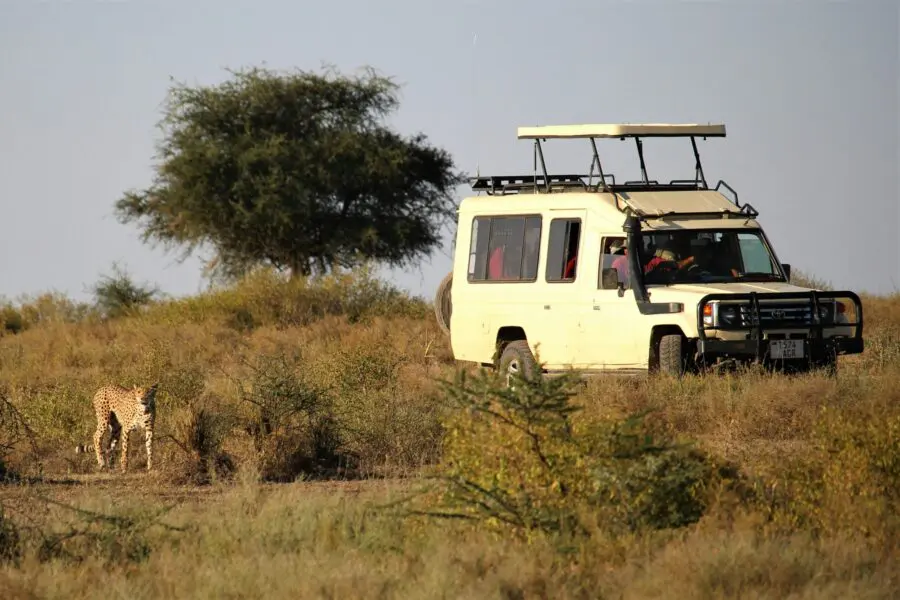
Many first-time safari travellers wonder if it is safe to be out among Africa's iconic wildlife. The answer is reassuring – game drives and walking safaris (only available in private game reserves) are conducted with guest safety as the highest priority.
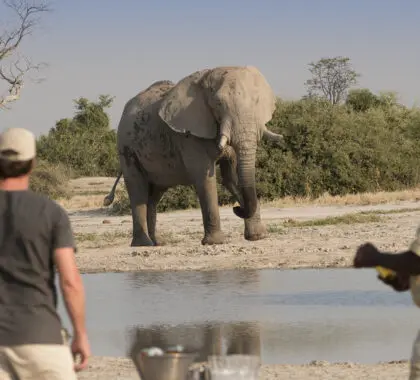
On game drives, professional guides (who are often accompanied by skilled trackers) navigate through the wilderness with an exceptional understanding of animal behaviour. These guides know how to read subtle cues from wildlife and maintain safe distances, allowing you to enjoy close encounters without unnecessary risk.
Furthermore, animals in well-managed safari destinations are habituated to the sight and sound of safari vehicles, viewing them as a single, non-threatening object. By remaining seated and avoiding sudden movements or loud noises, you become part of this harmless presence in their world. Vehicles are equipped with radios and first-aid kits, and guides are trained to respond swiftly in the unlikely event of an emergency.
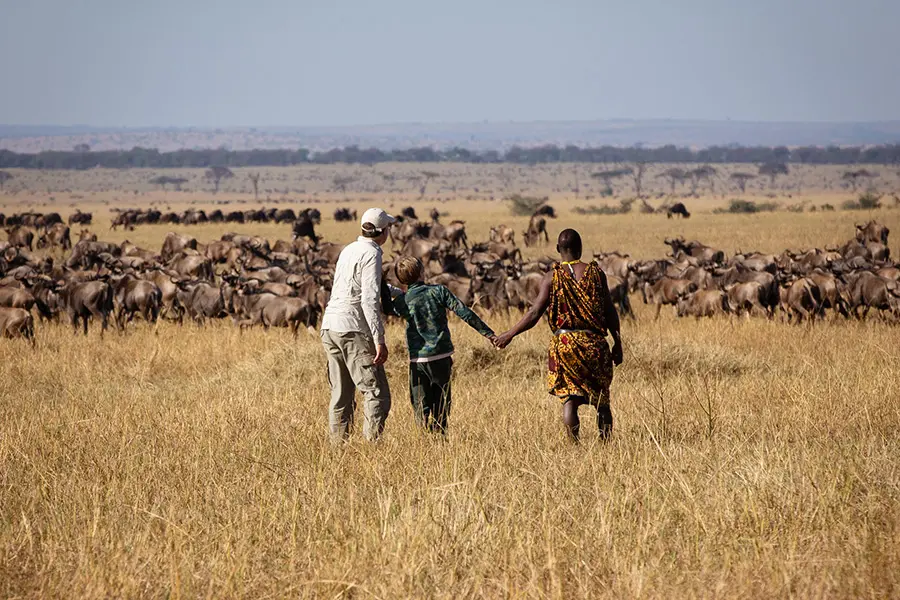
Walking safaris, while more intimate, are equally well-controlled. Before setting out, guides conduct a thorough safety briefing, explaining how to move quietly, follow instructions, and remain alert in the bush. Routes are carefully chosen to minimise risk, and walks are always conducted in small groups under the watchful eye of highly experienced guides.
Guides are armed on walking safaris as a precaution, though it's extremely rare for these to ever be needed or used. By simply listening to your guide and following their lead, you can safely enjoy the thrill of experiencing Africa on foot.

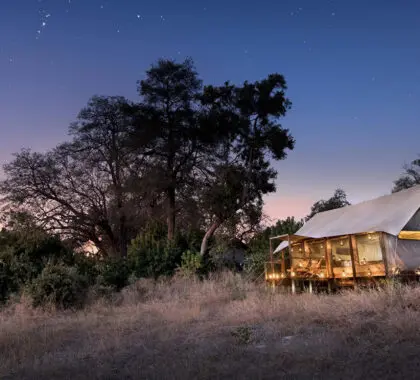
Another common concern for safari travellers is whether they will be safe while staying in the heart of the wilderness. Safari lodges and tented camps are purposefully designed to offer an authentic experience without compromising safety.
Reputable safari operators select camp and lodge locations carefully, ensuring they are situated in secure, remote areas. These destinations are chosen for exceptional wildlife viewing and natural beauty, but also for their distance from urban centres and regions of potential unrest. As a result, you're able to enjoy the seclusion and tranquillity of the African bush in a safe environment.
Every safari camp operates with trained staff on duty around the clock. During the day, guides and lodge staff are readily available to assist guests and, at night, dedicated security personnel patrol the property. Guests are never expected to navigate camps alone after dark, so escorts are always available to walk you safely to and from your room. This combination of vigilance and expert staffing ensures your safety, even in the most remote locations.
Some travellers are surprised to learn that not all safari camps are fenced! Both fenced and unfenced setups are carefully managed to ensure guest safety, and the choice often comes down to the kind of experience you are looking for.
Health preparations are part of safe, responsible travel, but there's no need for alarm.
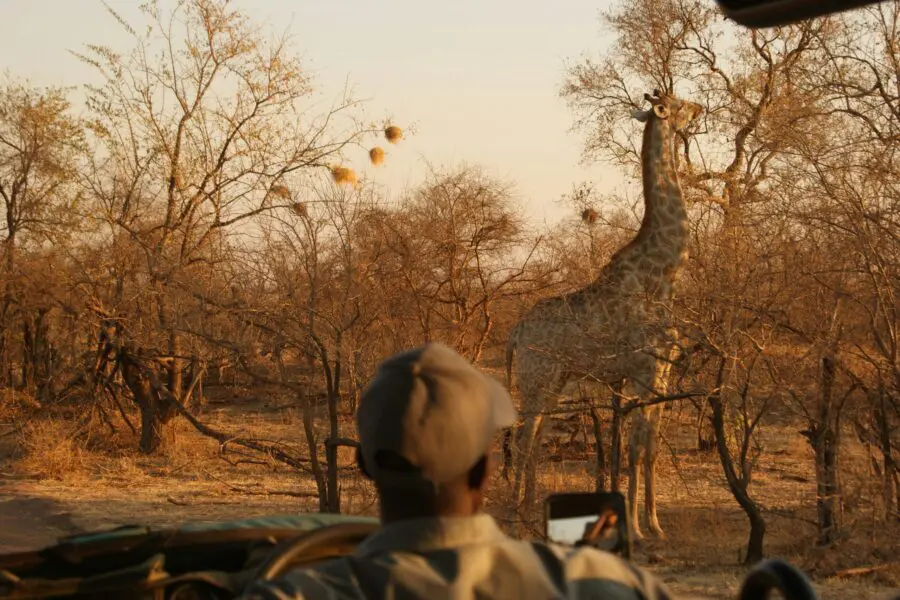
For more guidance, explore our expert advice on travel safety in Africa.
An African safari is one of the safest adventure holidays you can take when it is planned with experienced operators and approached with respect for nature. By staying in well-managed camps, following your guide's instructions, and taking sensible precautions, you can enjoy the thrill of the wild without worry.
With the golden light of the savanna, the distant call of a lion at dusk, and the joy of seeing wildlife in its natural habitat, your safari will leave you with unforgettable memories. Embrace the adventure responsibly, and Africa will reward you with a travel experience unlike any other.
Our Africa Safari Experts are here to create a trip perfectly tailored to your comfort, safety, and sense of adventure.




 English
  Español
  Français
  Italiano
  Português
  Deutsch
  Nederlands