Language
- Deutsch
- English
- Español
- Français
- Italiano
- Nederlands
- Português
Currency
- AUD Australian Dollar
- CAD Canadian Dollar
- EUR Euro
- GBP Pound Sterling
- SGD Singapore Dollar
- USD US Dollar
- ZAR Rand

costs
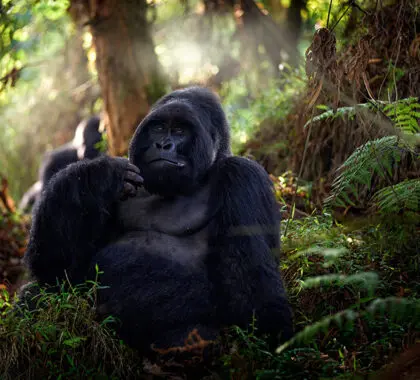
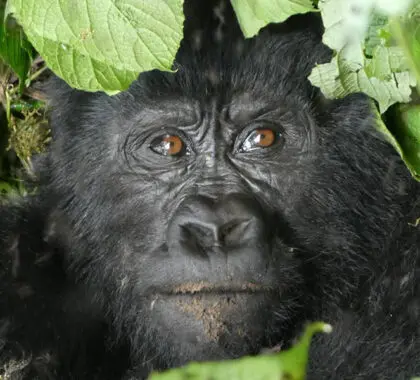
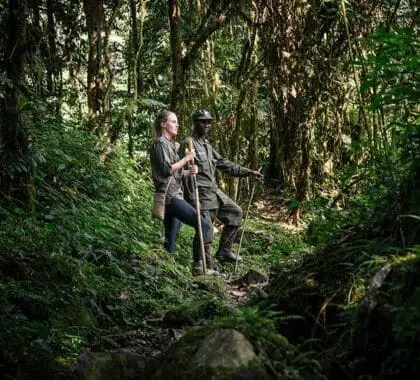
Affectionately known as ‘The Pearl of Africa', Uganda is a veritable paradise combining the best of lush vegetation, wonderful wildlife, and vibrant colours. Lauded for its gorilla trekking, a safari in Uganda combines the best of an unforgettable African safari and a chance to walk amongst forest giants and other primates. The best time to visit Uganda for trekking is March to May and September to December, a good thing to keep in mind when planning.
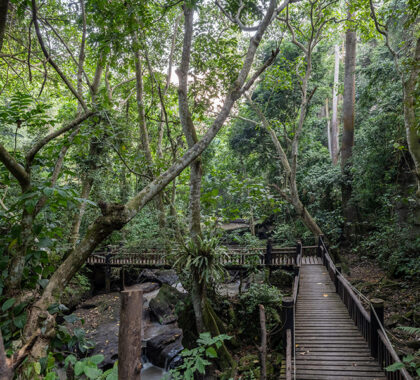
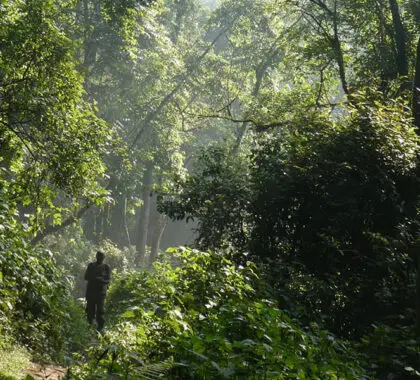
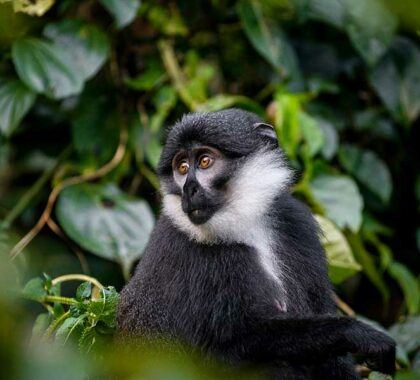
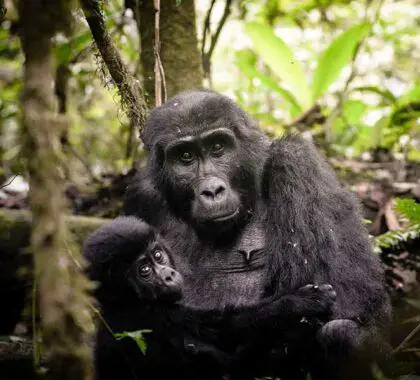
Fortunately, 20% of Uganda's land has been dedicated to wildlife reserves, ensuring it remains largely untouched. It's also home to some premier wildlife destinations, including Queen Elizabeth National Park and Murchison Falls. Discover the country's exceptional rainforests on gorilla treks through Bwindi Impenetrable Forest and chimpanzees in Kibale Forest. There's also a chance to see golden monkeys while exploring the Virunga Mountains. Uncover this East Africa's gem's secrets with some of our top Uganda tours and safaris or perhaps even combined with another destination.
As a fairly compact country, the best places to visit in Uganda are not too difficult to reach, nor take too long to get to. From the main city and capital, Kampala, the international airport is just a 35km drive. Fortunately, a few of its top attractions combine easily due to their proximity, such as Queen Elizabeth National Park and Bwindi Forest. There are a few options for your Ugandan safari, we break down a few below:
A Uganda safari typically ranges from $770 to $1,980 per person per night based on double occupancy, depending on the level of luxury, season, and whether it includes fly-in transfers or gorilla trekking permits. Entry-level options start around $770, while mid-range safaris cost between $1,100 and $1,160. Luxury and 5-star safaris can reach up to $1,980 per night. Accommodation is generally more modest than in Kenya or Tanzania but still offers excellent comfort and access to top wildlife areas like Bwindi Forest and Queen Elizabeth National Park.
As with any holiday, what you choose to do, and where you go will impact the general cost of your safari. The below table breaks down costs for Uganda safaris calculated per person per night sharing in both low and high season:
| Entry Level Drive / Fly In | Mid Range Drive / Fly In | Luxury Drive / Fly In | 5 Star Option | ||||
|---|---|---|---|---|---|---|---|
| Low | High | Low | High | Low | High | Low | High |
| $770 pps* | $830 pps* | $1,100 pps* | $1,160 pps* | $1,540 pps* | $1,870 pps* | $1,650 pps* | $1,980 pps* |
* Please note: all the costs are guidelines only and an average for per person, per night, sharing a room in High and Low Season, including the necessary permits, conservancy and park fees required.
They exclude international flights, visas and optional activities. Note that conservation fees, levies and permits are all subject to change. Peak or High Season generally runs over Christmas and New Year, and from about July to October.
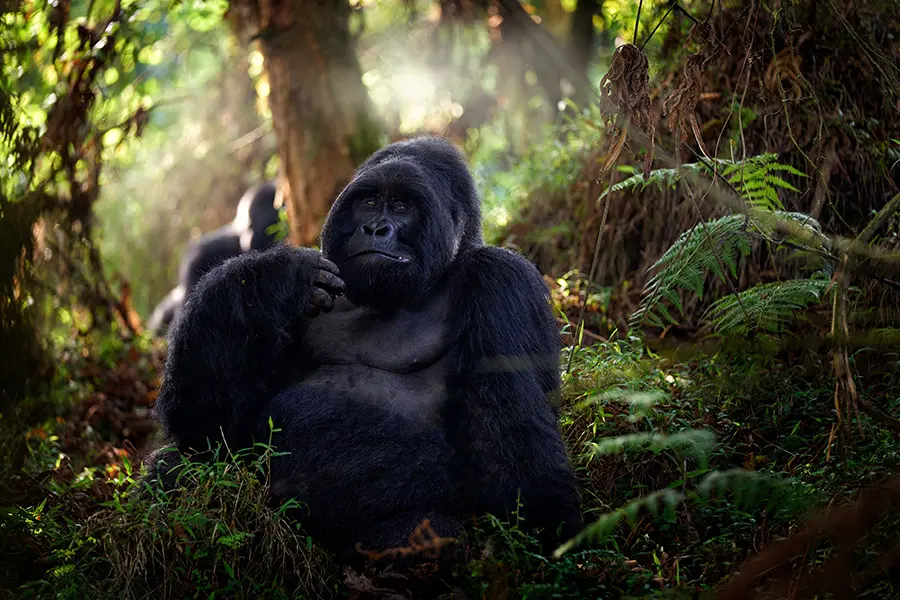
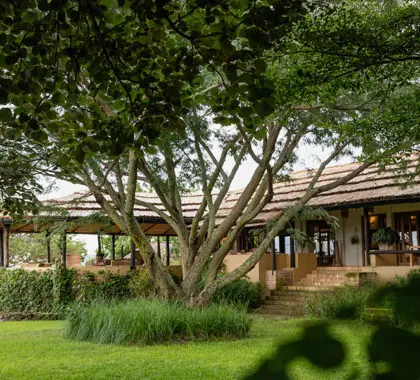
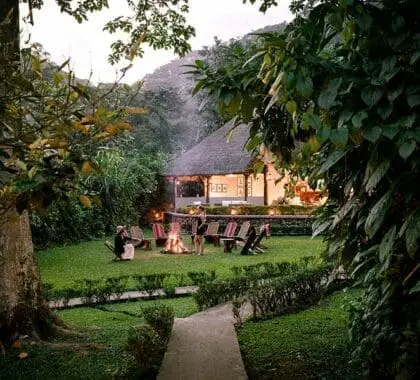
As there are two wildlife hotspots in the country, Uganda accommodation options fall mainly to the south and west, allowing easier access to its top spots. While the offerings are not typically as opulent as its safari counterparts, such as Kenya and Tanzania, Uganda still has ample options from comfortable camps to luxury lodges. Proximity to the ‘action', level of comfort, and included activities will all impact associated cost, as well as the time of year.
| 4-Star Comfort | 4-Star Luxury | 5-Star Luxury | |||
|---|---|---|---|---|---|
| Low | High | Low | High | Low | High |
| $310 pps* | $360 pps* | $880 pps* | $1,430 pps* | $1,100 pps* | $1,870 pps* |
* Please note: all the costs are guidelines only and an average for per person, per night, sharing a room in High and Low Season. They exclude international flights, visas and optional activities. Note that conservation fees, levies and permits are all subject to change. Peak or High Season generally runs over Christmas and New Year, and from about July to October.
The cost of a Uganda safari varies with the seasons, which are closely tied to rainfall patterns. Peak season falls during the dry months of December to February and June to August, when trekking conditions are ideal and wildlife is easier to spot—especially around water sources at the end of each dry period. These months typically come with higher prices due to increased demand. The shoulder and low seasons, particularly March to May and September to November, are more cost-effective, offering reduced rates and fewer crowds. However, these wetter months can make gorilla trekking more challenging due to muddy trails and unpredictable weather.
It's important to note that ‘all-inclusive' may not be as comprehensive as you first expect. In Africa, and on safaris, that can mean a range of things and it's always worth clarifying what is not included. One of the first things to do is consult our blog on visa free African countries for US citizens as that may tick off one of the boxes regarding associated costs already. What possible additional costs could you come across? Have a look at our list below:
Should you wish to plan your next great adventure with the help and guidance of one of our Africa Safari Experts, they will be able to advise you on all of the above and ensure each of your transfers is organised ahead of time and occurs as seamlessly as possible – just remember, in travelling, anything can happen and sometimes delays are unavoidable.
Help Me Plan







 English
  Español
  Français
  Italiano
  Português
  Deutsch
  Nederlands